
Home > Products > Nitrogen Evaporator

Eleven models. One bench space.
Zero compromises.

Nitrogen Evaporators


Samples capacity
0

Samples - Newly Introduced
0

Max Vol Per Sample
0 ml

Years Manufacturing
0 +

India's largest range manufacturing since 2003

Nitrogen Evaporators

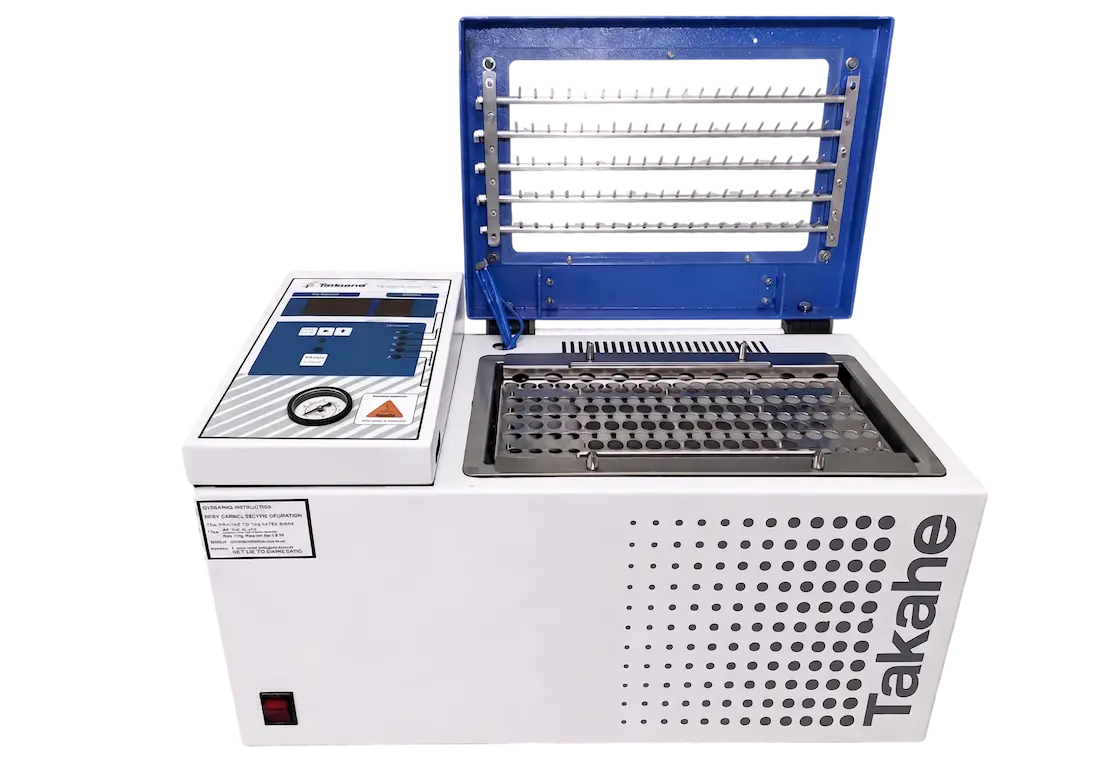
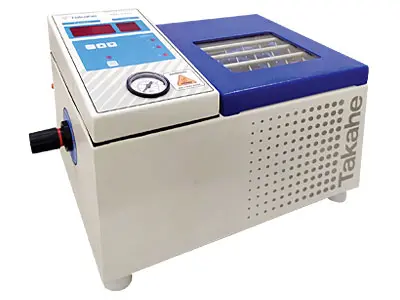
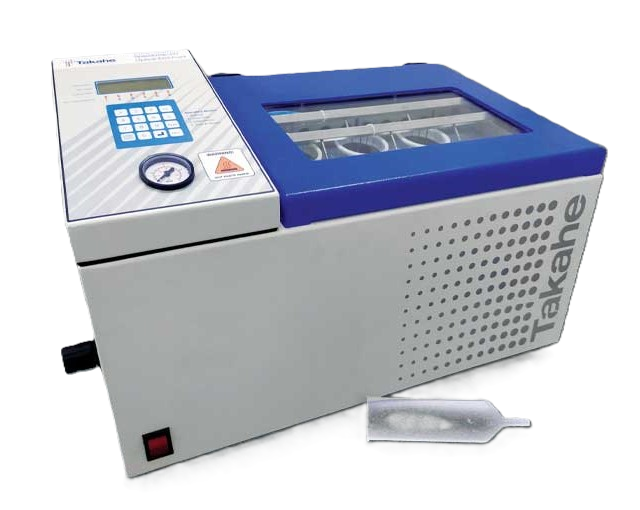
Takahe manufactures India’s most comprehensive range of nitrogen evaporators — from a compact 15-sample bench unit to a 144-sample Phase IV clinical trial system. Every model is designed, built, and quality-tested at our Navi Mumbai facility. Choose by sample capacity, volume, or application below.

Understanding the technology

What is a Nitrogen Evaporator?

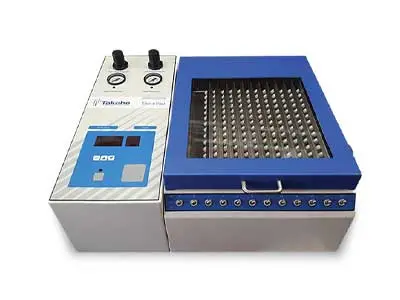
nitrogen evaporator (also called a nitrogen blowdown evaporator) is a laboratory instrument used to concentrate or dry samples by directing a gentle stream of dry nitrogen gas across the surface of the sample solution, accelerating solvent evaporation.

The sample tubes sit in a temperature-controlled water bath — warming the solvent to increase evaporation rate — while nitrogen nozzles positioned above each tube blow off the vapour. The result: solvent is removed quickly and safely, concentrating the analyte for the next stage of analysis.

Nitrogen is used rather than air because it is inert and dry, preventing sample oxidation and eliminating moisture contamination — critical for accurate trace-level analysis.

How nitrogen blowdown works

Nitrogen evaporators

Tubes from 1.5 mL to 200 mL are placed into the interchangeable rack — up to 144 positions at once.

Set temperature & timer

Microprocessor-controlled water bath is set from ambient to 80 °C. Timer runs from 1 minute to 9.5 hours.

Nitrogen blowdown begins

Dry N₂ gas flows through individual nozzles positioned above each tube, sweeping solvent vapour away and accelerating evaporation.

Auto shutoff & alarm

The instrument shuts off at cycle end. Audible alarm signals completion — no operator monitoring required during the run.

Understanding the technology

What is a Nitrogen Evaporator?

nitrogen evaporator (also called a nitrogen blowdown evaporator) is a laboratory instrument used to concentrate or dry samples by directing a gentle stream of dry nitrogen gas across the surface of the sample solution, accelerating solvent evaporation.

The sample tubes sit in a temperature-controlled water bath — warming the solvent to increase evaporation rate — while nitrogen nozzles positioned above each tube blow off the vapour. The result: solvent is removed quickly and safely, concentrating the analyte for the next stage of analysis.

Nitrogen is used rather than air because it is inert and dry, preventing sample oxidation and eliminating moisture contamination — critical for accurate trace-level analysis.

How nitrogen blowdown works

Nitrogen evaporators

Tubes from 1.5 mL to 200 mL are placed into the interchangeable rack — up to 144 positions at once.

Nitrogen evaporators

Tubes from 1.5 mL to 200 mL are placed into the interchangeable rack — up to 144 positions at once.

Nitrogen evaporators

Tubes from 1.5 mL to 200 mL are placed into the interchangeable rack — up to 144 positions at once.

Nitrogen evaporators

Tubes from 1.5 mL to 200 mL are placed into the interchangeable rack — up to 144 positions at once.

How nitrogen blowdown works

Nitrogen evaporators

Tubes from 1.5 mL to 200 mL are placed into the interchangeable rack — up to 144 positions at once.

Set temperature & timer

Microprocessor-controlled water bath is set from ambient to 80 °C. Timer runs from 1 minute to 9.5 hours.

Nitrogen blowdown begins

Dry N₂ gas flows through individual nozzles positioned above each tube, sweeping solvent vapour away and accelerating evaporation.

Auto shutoff & alarm

The instrument shuts off at cycle end. Audible alarm signals completion — no operator monitoring required during the run.

WHY CHOOSE TAKAHE

Unattended Operation

Set temperature, timer, and nitrogen flow — then walk away. Auto shutoff with audible alarm on cycle completion.

High Throughput

Process 15 to 210 samples simultaneously — far faster than rotary evaporators for multi-sample workflows.

Regulatory Compliance

Supplied with IQ/OQ/PQ documentation for GLP and GMP laboratory requirements. Audit-ready from day one.

Takahe Service Guarantee

20+ years of responsive after-sales support. Installation, training, and service — backed by our Navi Mumbai team.

Choose by type

Four categories to match every lab requirement

Whether you process 15 samples or 144, work with standard tubes or 96-well plates, Takahe has an evaporator purpose-built for your workflow.

Low Volume Evaporators

Tubes 1.5 mL – 30 mL · Up to 50 samples

The core of most analytical laboratories. Handles Eppendorf tubes, RIA vials, GC vials, and centrifuge tubes. Five independent needle manifolds allow different sample types to be run simultaneously. The SpeedoVap LV is India’s most widely installed nitrogen evaporator.

High volume evaporators

Tubes 30 mL – 200 mL · 6 to 15 samples

Designed for environmental, food testing, and industrial labs where large organic extracts need concentrating. Handles 50 mL centrifuge tubes, 100 mL and 200 mL vessels. The Optical Endpoint model detects sample dryness automatically — preventing over-evaporation and sample loss.


Well-Plate Evaporators

96-well microplates · Dual plate / tube mode

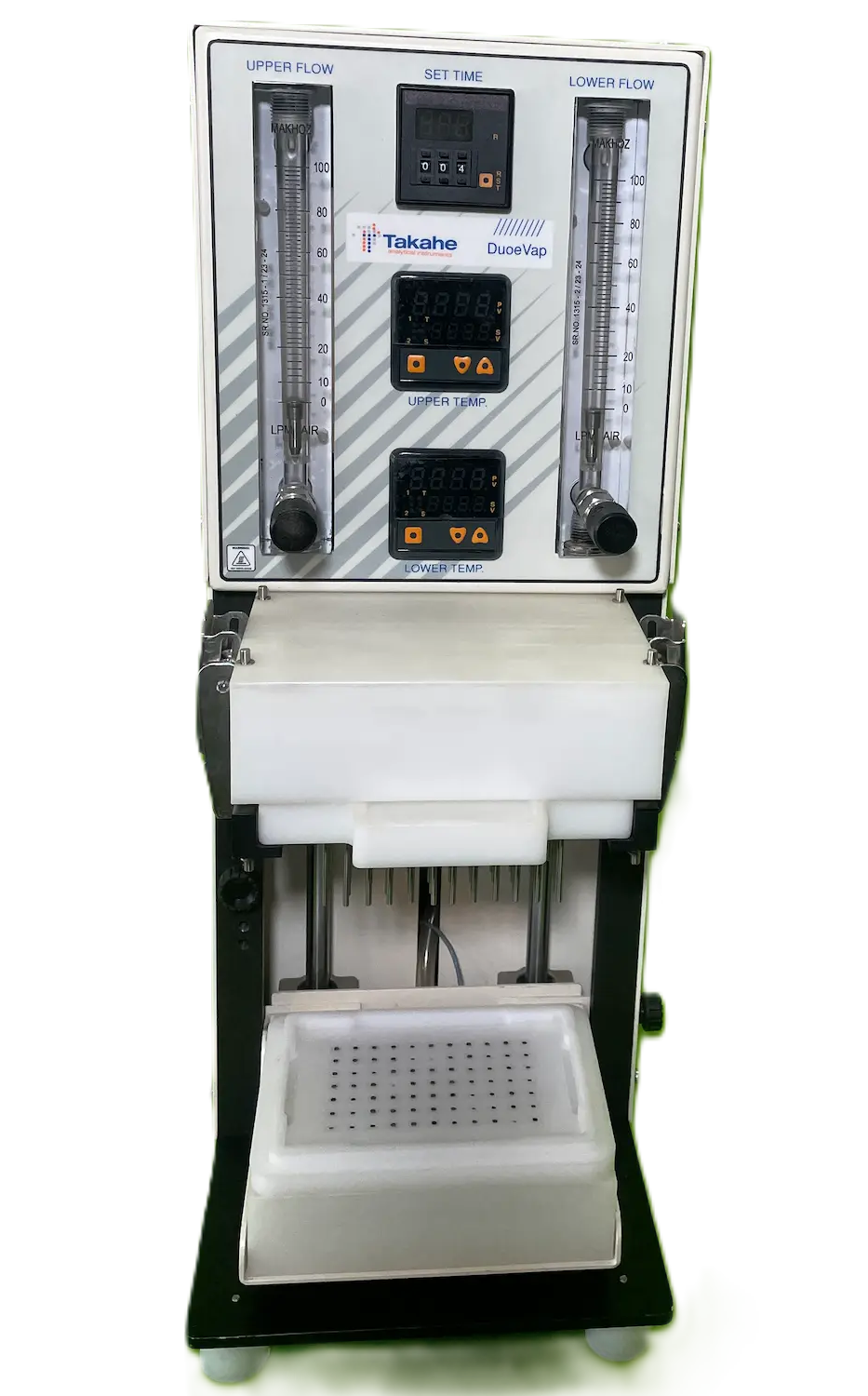
For high-throughput HTS workflows and clinical research using 96-well microplate format. The Duo-eVap handles both well plates and standard tubes in a single instrument. The SpeedoVap 96WP uses a closed-lid design for low-volatility solvents.

Large Format Evaporators

100 or 144 samples per batch · BA/BE studies

The Bio-eVap series is Takahe’s flagship system, built for Phase II and IV clinical pharmacokinetic studies at Contract Research Organisations. Processes 100 or 144 tubes per batch using only 220–250 LPM nitrogen — significantly more efficient than competitor systems requiring 400 LPM for similar capacity.

Complete range

View all Evaporators at a glance

Model

Category

Max samples

Sample volume

Heating

View

Model

Min-eVap

Category

Low Volume

Max samples

15

Sample volume

1.5–15 mL

Heating

Water bath · 80 °C

Model

Speedo Vap LV

Category

Low Volume

50

1.5–30 mL

Water bath · 80 °C

Model

Speedo Vap LX

Low Volume

15 / 30

Up to 30 mL

Water bath · 80 °C

Model

Speedo Vap Dry Block

Low Volume

15

Up to 15 mL

Water bath · 80 °C

Model

Speedo Vap HV

High Volume

8-15

Up to 200 mL

Water bath · 80 °C

Model

SpeedoVap HV Optical

High Volume

6

100- 200 mL

Water bath · optical endpoint

Model

Duo-eVap

Well plate

1–2 plates

Well plates or tubes

Water bath · dual mode

Model

SpeedoVap 96WP

Well plate

1 plate

96-well microplates

Water bath · closed lid

Model

Bio-eVap 100 / 144 / 210

Large format

100 or 144 or 210

Up to 12 mL / 4 mL

Water bath · 250 LPM N₂

Applications

Which laboratories use nitrogen evaporators?

Nitrogen evaporators are used wherever samples must be concentrated or dried before instrumental analysis. Here are the primary application areas Takahe instruments serve.

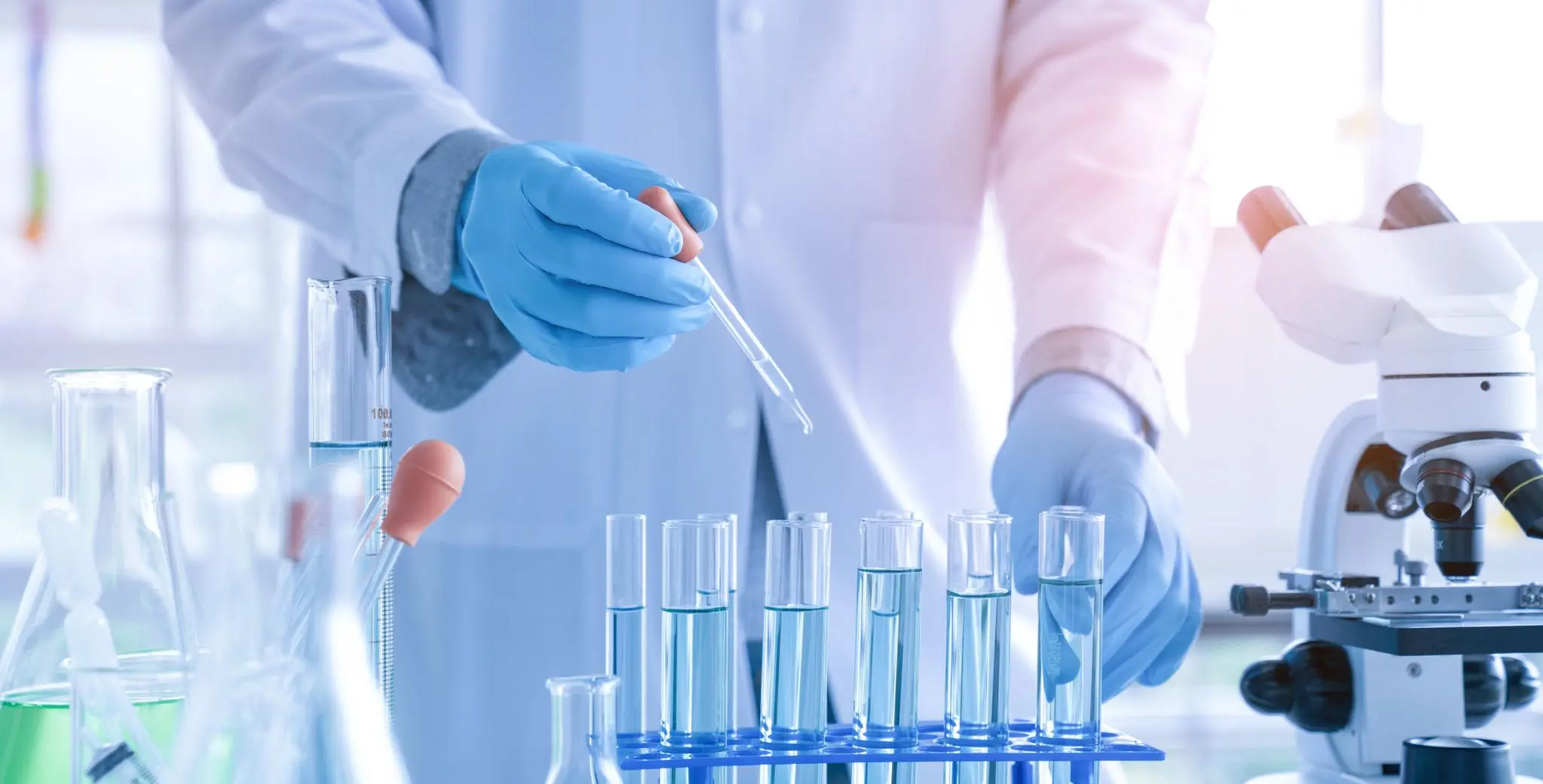
Pharmaceutical & Drug Testing

Solvent evaporation before HPLC, GC, and LC-MS analysis of drug compounds, metabolites, and formulations. Standard workflow in QC and R&D labs.
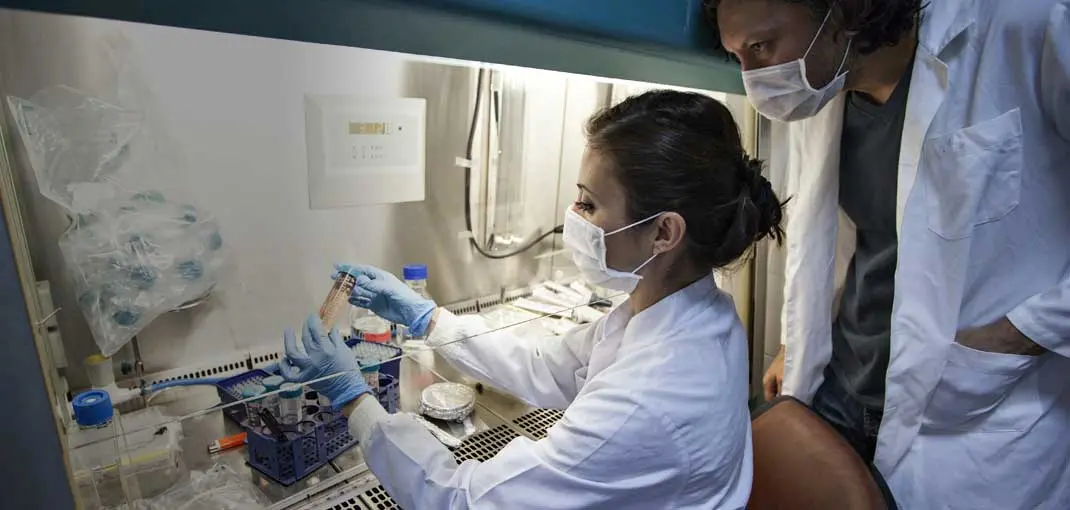
SpeedoVap LV · SpeedoVap LX

Clinical Research — BA/BE Studies

High-throughput sample concentration for Phase II and IV pharmacokinetic studies at Contract Research Organisations. 100 or 144 samples processed per batch.

Bio-eVap 100 / 144 · Duo-eVap

Food Safety & Pesticide Residues

Concentration of pesticide extracts and antibiotic residues from food samples prior to GC-MS or LC-MS analysis. Supports FSSAI and NABL-accredited labs.
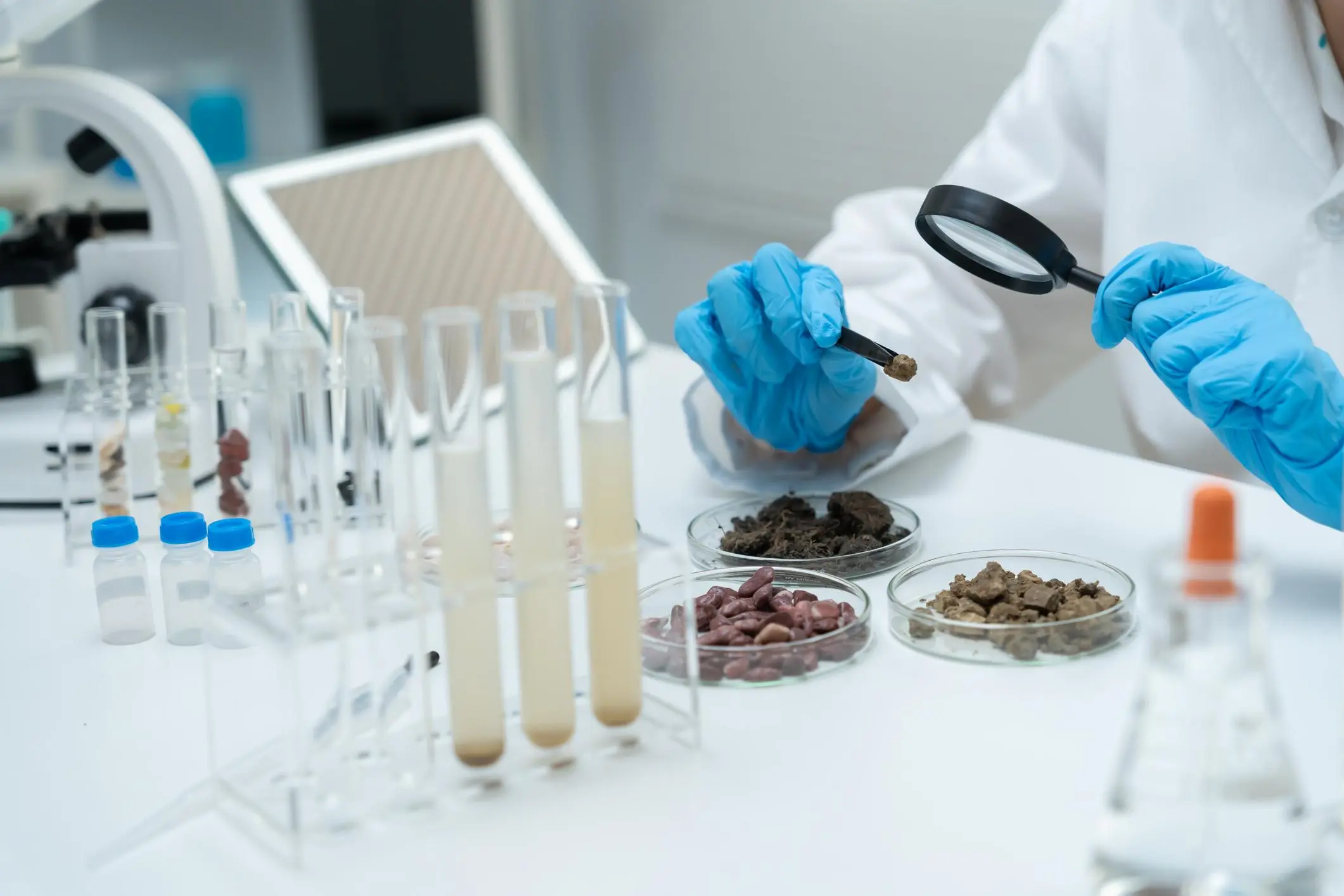
SpeedoVap LV · SpeedoVap HV · Min-eVap

Environmental & Soil Testing

Trace contaminant analysis — PAHs, VOCs, and organic pollutants in water, soil, and air samples. Large extract volumes need the high volume range.
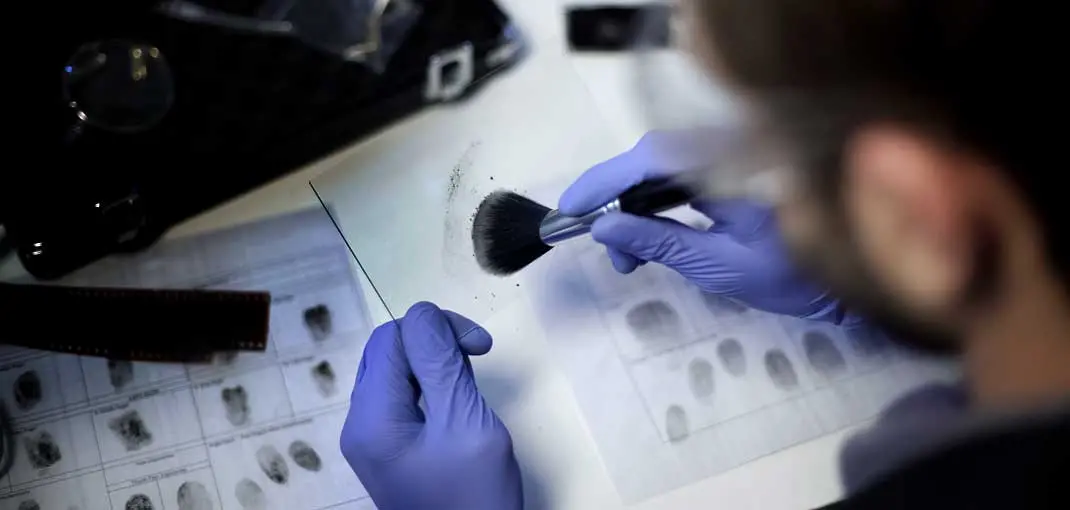
SpeedoVap HV · HV Optical Endpoint

Diagnostics & Forensic Science

Sample preparation for toxicology screening, dope testing, and clinical chemistry. Well-plate formats support high-throughput screening workflows.
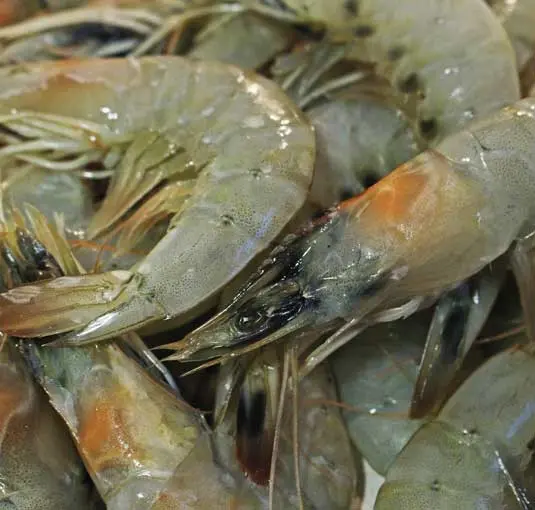
SpeedoVap 96WP · Duo-eVap · Dry Block

Fisheries & MPEDA Labs

Antibiotic and chemical residue testing in fish and aquaculture products for export compliance. Used in MPEDA-accredited and APEDA laboratories.

SpeedoVap LV · Min-eVap

years
Designing & manufacturing
N₂ evaporators in India
0 +
LPM max
Nitrogen use on Bio-eVap
v/s 400 LPM for competitor brands
0
models
India's largest range
15 to 50 & 144 to 210 samples
0
Made in India
Designed, built & tested
at Navi Mumbai facility
0 %

Frequently asked questions

Nitrogen evaporator questions answered

Answers to the most common questions we receive from laboratories evaluating nitrogen evaporators.
 

Takahe nitrogen evaporators use nitrogen blowdown technology – a stream of dry, inert nitrogen gas is directed through individual nozzles positioned above each sample, sweeping solvent vapour away from the liquid surface without heat damage or oxidation to the sample. On Takahe’s large-format models, this is enhanced with Vortex Gas Blowdown: the nitrogen is vortexed as it reaches each sample position, which enlarges the evaporation surface area and equalises gas pressure across every position on the manifold. This delivers fast, uniform evaporation across the full sample set, and lower gas consumption than conventional straight blowdown – where uneven pressure often leaves edge positions evaporating more slowly, wasting gas as the system compensates.

low volume nitrogen evaporator handles tubes from 1.5 mL to 30 mL — covering Eppendorf tubes, RIA vials, GC vials, and standard centrifuge tubes. These are the most common formats in pharmaceutical, pesticide, and clinical labs. A high volume nitrogen evaporator handles larger tubes from 30 mL to 200 mL, suited to environmental testing and industrial applications where larger extract volumes need concentrating. The SpeedoVap LV is low volume; the SpeedoVap HV is Takahe’s high volume model.

Gas consumption varies by model. The SpeedoVap LV requires 150 LPM at 100 psi when all five manifolds are active. The SpeedoVap LX requires 90–150 LPM. The SpeedoVap Dry Block uses only 45 LPM. The Bio-eVap 100/144 requires only 220–250 LPM — significantly lower than competitor brands which typically require 400 LPM for equivalent capacity. Connecting any evaporator to a Takahe N2 Genie nitrogen generator eliminates cylinder costs entirely.

Yes. Takahe undertakes customisation of instruments for specific customer requirements after a feasibility study. This ensures that any custom specification does not compromise evaporation performance or instrument reliability. Contact our team with your application requirements and we will assess feasibility and advise accordingly.

Standard models are typically available ex-stock and dispatched immediately. Custom configurations or special voltage requirements (110 VAC) may require 2–3 weeks. Contact us to confirm current stock availability for your chosen model.

Yes. Takahe nitrogen evaporators are supplied with full IQ (Installation Qualification), OQ (Operational Qualification), and PQ (Performance Qualification) documentation — essential for pharmaceutical, clinical research, and food testing laboratories operating under GLP or GMP requirements. Training is also provided at installation.

Takahe has been designing and manufacturing nitrogen evaporators since 2003 — the longest track record of any Indian manufacturer in this category. All instruments are designed, manufactured, and quality-tested in-house at our Navi Mumbai facility. We offer India’s largest evaporator range (9 models), the most nitrogen-efficient large-format system (250 LPM vs 400 LPM), and customisation services for specialist applications. Our instruments come with full IQ/OQ/PQ documentation and are typically available ex-stock.

Not sure which nitrogen evaporator is right for your lab?

Tell us your sample volumes, batch size, tube format, and application — our team will recommend the correct model the same day.

Complete your lab setup

Products that work with Nitrogen Evaporators

Infrastructure

Nitrogen generators

Eliminate cylinder costs. The N2 Genie generates 100–600 LPM on-site from compressed air.

Sample preparation

SPE systems

Solid phase extraction before evaporation — 48 and 96-position positive pressure manifolds.

Sample preparation

Multi-tube vortexers

Vortex mix samples before or after evaporation. Up to 180 tubes simultaneously.